Hire Fortress Fence Company Austin for Wood Fences
Highly Rated Fence Installation: Elevate Your Curb Appeal
High-quality fence installation delivers more than just property demarcation. It enhances a property's visual appeal, providing both aesthetic value and practical benefits. Multiple options, from classic wood to sleek vinyl, suit varying homeowner needs. As property owners evaluate their choices, recognizing the variables that impact installation and material decisions becomes important. Ideal decisions can dramatically enhance a home's outer facade. However, the decision between hiring professionals or tackling the project independently raises important questions.
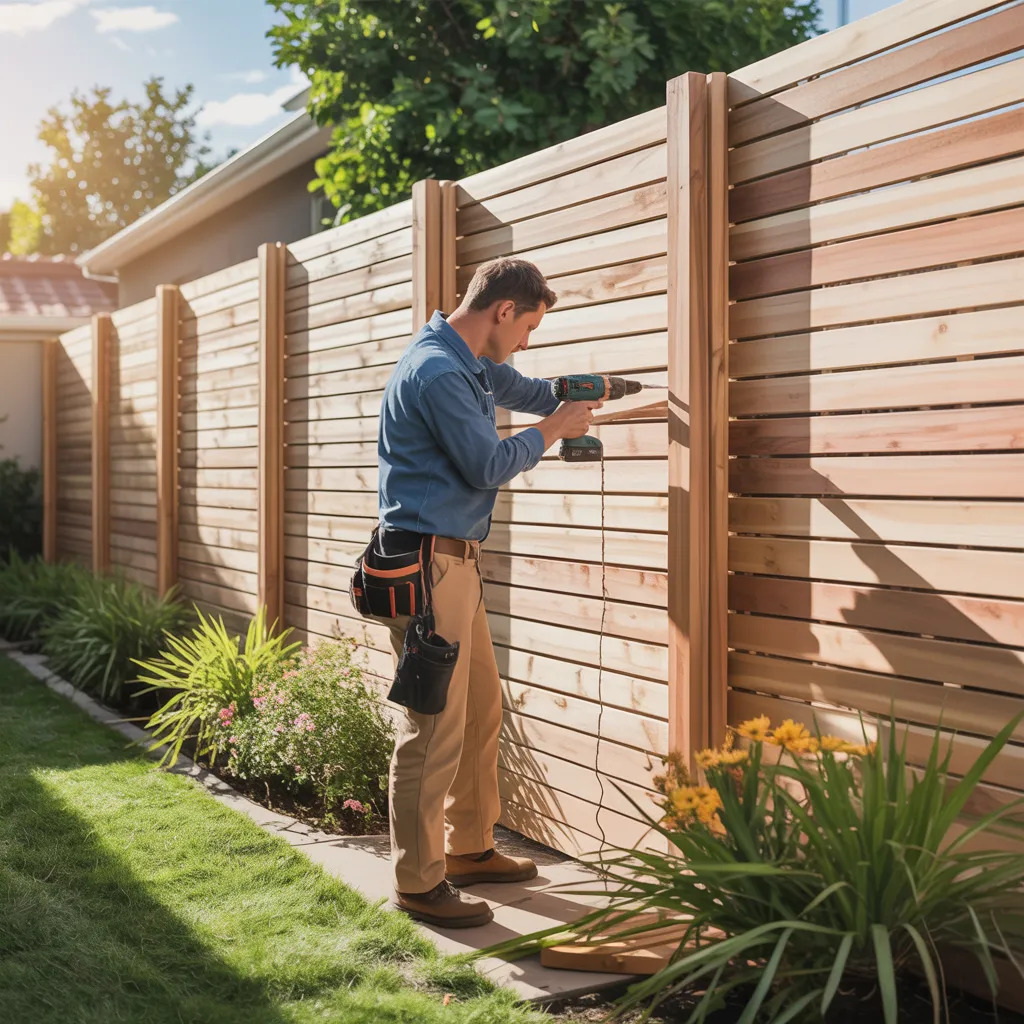
Learning About the Benefits of a Premier Fence
A high-quality fence provides many benefits that can significantly improve both property security and value. By establishing a defined border, it works to mark the edges of the property, deterring potential intruders and unwanted animals. This added layer of protection fosters a sense of safety for residents and their belongings. Furthermore, superior materials and expert workmanship provide lasting strength, minimizing repair and maintenance costs throughout the years.
Additionally, a expertly crafted fence can function as an appealing feature, harmonizing with the house's overall look. It can shield exterior areas from environmental disturbances, fostering a more enjoyable environment for endeavors including gardening or entertaining. Moreover, it can deliver seclusion, giving homeowners to unwind without concern for prying eyes. In summary, choosing a top-rated fence not only enhances security but also improves the total value and practicality of a residence, rendering it an excellent decision for homeowners pursuing ongoing improvements.
Common Fence Designs That Elevate Your Home's Exterior Appeal
When evaluating fence installation, the choice of style can greatly enhance a home's curb appeal. Classic wood fencing provides a classic appeal that pairs well with classic home designs, while contemporary vinyl alternatives deliver a refined, minimal-upkeep option. Both choices address varying design tastes and can elevate the overall look of any residential space.
Classic Wooden Fencing Designs
Traditional wood fence designs provide lasting charm that boosts visual appeal for every home. Popular options like picket, split rail, and privacy fences deliver an organic appearance that suits a wide range of architectural styles. Picket fences, with their charming vertical slats, create a welcoming atmosphere, well-suited for front yard applications. Split rail options, often used in rural settings, offer a rustic appeal while remaining functional. Privacy fences, usually constructed taller and sturdier, deliver both safety and a tranquil backyard environment. The flexibility of wood enables tailoring in height, color, and finish, allowing property owners to express their individual taste. Ultimately, classic wooden fencing remains a preferred option for homeowners looking to enhance their property's curb appeal.
Modern Vinyl Options
Modern vinyl fencing options present an array of attractive styles that can greatly enhance a home's visual appeal. Available in multiple colors and textures, vinyl fences can mimic traditional materials like wood or stone while offering superior durability and low maintenance. Widely chosen styles include picket, privacy, and ranch rail, each designed to suit varying design preferences.
Vinyl fencing offers resistance to rot, fading, and pests, making it a durable long-term investment. Moreover, its adaptability in design permits homeowners to tailor heights and panel layouts to match their landscape. Therefore, today's vinyl fences not only deliver security and privacy but also improve the overall look of a home, making them a popular selection among thoughtful property owners.
Pick the Ideal Material for Your Fence
Selecting the best material for a fence is essential for both aesthetics and functionality. Materials like wood and vinyl provide notable advantages, while chain link serves as a budget-friendly choice. Furthermore, the durability of metal fencing may be a critical element in making long-term decisions.
Wood or Vinyl Fencing
When homeowners explore fencing alternatives, the discussion between wood and vinyl tends to emerge due to the unique benefits and limitations of each material. Wood fencing offers a traditional look and natural appeal, attracting those who favor classic designs. It can be customized easily and is often more affordable upfront. However, wood needs ongoing care to avoid deterioration and pest-related harm.
In contrast, vinyl fencing is celebrated for its resilience and ease of care, resisting fading, distortion, and deterioration. It typically carries a greater upfront investment but has the potential to cut costs over time due to its extended lifespan. Property owners ought to consider their priorities, such as aesthetic preferences, budget, and maintenance willingness, to choose the most suitable choice for their fencing needs.
Available Chain Link Options
Chain link fencing presents an effective option for property owners looking for visibility and security without compromising affordability. This style of fence is offered in a range of heights and gauges, permitting owners to pick options that best fit their needs. For homeowners focused on appearance, vinyl-coated detailed article chain link provides an attractive option, complementing surrounding landscaping. Furthermore, residents can opt for galvanized chain link to improve rust resistance, guaranteeing durability. Installation is typically simple, making it a popular choice among DIY enthusiasts. With additions like privacy slats or ornamental tops, chain link fencing can be tailored to balance practicality and appearance. All things considered, chain link fencing provides a versatile and economical choice for defining property lines.
Metal Resilience Considerations
Selecting the correct fence material entails understanding the durability of different choices. Metallic fences, particularly those made from aluminum and steel, are recognized for their durability and resilience. Aluminum offers a lightweight design and rust resistance, making it an excellent choice for seaside locations. Steel, despite being heavier and more durable, requires galvanization or coating to prevent corrosion. On the other hand, wrought iron, while visually attractive, requires consistent upkeep to prevent rust. Furthermore, the metal's gauge is a critical factor; denser materials deliver greater durability and resilience. At the conclusion of the selection process, considerations including climate, purpose, and upkeep requirements must direct the choosing process, guaranteeing that the selected metal fence endures environmental conditions while preserving its structural soundness through the years.
Determine Essential Factors for Installation Success
Achieving a successful fence installation relies on a few critical elements that significantly influence the end result. To begin, picking the correct materials is crucial; various materials provide different durability levels, maintenance demands, and aesthetic qualities. Furthermore, careful planning is required, which involves assessing the property boundaries and securing required permits to prevent potential legal complications.
In addition, careful measurements and a well-planned layout guarantee that the fence properly fits the landscape and satisfies the owner's requirements. Soil conditions and terrain also play an important role in the success of the installation; these elements can determine the type of foundation required for stability.
Additionally, climatic conditions need to be considered, as severe weather or rainfall can interfere with installation work. Lastly, meticulous focus during installation—such as properly aligning panels and firmly securing posts—guarantees a sturdy and visually appealing fence. By accounting for these considerations, property owners can significantly improve the durability and performance of their fence installation.
Should You Hire Pros or Go DIY for Your Fence?
When evaluating the option of hiring professionals versus pursuing a DIY fence installation, homeowners often weigh their skills, budget, and time constraints. Choosing professional installation usually delivers high-quality outcomes, as seasoned professionals offer technical expertise and appropriate tools. This approach works best for individuals without the necessary time or knowledge to handle the project properly. On the other hand, a DIY approach can be cost-effective, enabling homeowners to reduce labor expenses while enjoying a fulfilling project. Nevertheless, this path requires a thorough knowledge of fencing materials, local codes, and correct installation methods. Property owners should likewise account for the time required, as DIY endeavors frequently exceed initial time estimates. Ultimately, the determination rests on unique circumstances, encompassing personal inclinations, project scope, and the resources at hand. Careful consideration of these factors will guide homeowners in making the right choice for their fencing needs.
Maintenance Tips for Long-Lasting Fences
Maintaining a fence's structural integrity and appearance requires routine upkeep. Periodic inspections are vital; residents should check for signs of rot, wear, or structural damage. For wood fences, applying a protective stain or sealant every few years can avoid water damage. Iron fences should be inspected for rust, and any damaged areas should be sanded and painted immediately to preserve their condition.
Moreover, maintaining the space around the fence free of debris and excess vegetation can reduce the risk of moisture accumulation and pest problems. Tightening any loose screws or bolts is also recommended to maintain structural stability.
Scrubbing the fence on a routine basis, utilizing a light soap solution and a soft cleaning brush, preserves its visual appeal. Routine seasonal upkeep is essential; as a result, homeowners should develop a routine to ensure the long-lasting durability of their fence installations. Adhering to these recommendations can significantly improve the durability and aesthetic appeal of any fence.
Understanding What to Expect in Fence Installation Costs
Understanding the costs of fence installation is vital for homeowners planning to enhance their home. The overall costs can differ significantly based on various elements, including the choice of fencing material, the intricacy of the setup, and the dimensions of the space requiring fencing. Common materials such as chain link, wood, and vinyl each offer distinct cost levels.
Additionally, the cost of labor may shift based on regional market conditions and the expertise of the contractor. It is also important for homeowners to factor in required permits and added features, such as gates or decorative elements, which can further influence the final budget.
On average, costs range from $1,500 to $4,000 for conventional installations. Homeowners should seek out numerous quotes and assess the scope of work involved to secure a complete understanding of their monetary commitment before proceeding.
Blending Fencing Into Your Landscape Design
Incorporating fencing into landscape planning not only boosts the visual appeal of a property but also delivers functional advantages such as privacy and security. A carefully selected fence can harmonize with existing plants, pathways, and outdoor structures, establishing a unified appearance. To illustrate, wooden fences can integrate naturally with organic surroundings, while metal choices deliver a polished, modern finish that aligns beautifully with contemporary landscape designs.
The style and color of the fence ought to blend with the overall theme of the surrounding environment. Upright garden features or ascending greenery can be introduced to soften hard lines and add greenery. Additionally, carefully positioned fencing can separate zones, such as distinguishing landscaped sections from activity spaces.
At the end of the day, thoughtful incorporation of fencing enhances not just the visual charm but also the functionality of outside living spaces, contributing to an appealing environment that embodies the property owner's personal taste and style.

Questions We Often Receive
What Permits Do You Need for Fence Installation?
In most cases, homeowners and property owners should acquire a construction permit before installing a fencing structure. Regional zoning regulations could also mandate specific permits, most notably for property line boundaries or height restrictions. Contacting local governing bodies guarantees compliance with all required regulations.
How Long Does Fence Installation Typically Take?
A typical fence installation takes between one and three days, depending on factors such as the type of material, the size of the property, and weather conditions. Designs with greater complexity may take additional time to be completed.
Is It Possible to Install Fences During Winter?
Yes, fences can be installed in winter. That said, the process can be more difficult because of frozen ground and harsh weather conditions. Professionals often adjust techniques to guarantee stability and durability during colder months.
What Is the Standard Lifespan of Various Fencing Materials?
Fence materials differ significantly in their expected lifespan: wood has a lifespan of 10-15 years, vinyl can endure 20-30 years, chain link fencing generally has a lifespan of 15-20 years, and aluminum is capable of lasting 30 years or longer when properly maintained.
How Do I Pick a Fence Color That Goes Well With My Home?
To choose a fence color that suits a home, one should take into account the exterior hues, structural style, and nearby scenery. Natural hues often work harmoniously, while vibrant hues can provide contrast and visual interest.